Choosing between timber and plywood can feel overwhelming. Both look great and perform well, but each behaves differently once installed. Pick the wrong one, and your joinery may not stand up to daily use.
Many homeowners focus only on price or appearance, overlooking how moisture, structure, and finish impact long-term quality. That’s when frustration sets in, repairs, replacements, and lost value.
In this guide, you’ll learn how timber and plywood compare in durability, design, cost, and sustainability. By the end, you’ll know exactly which material best suits your home and lifestyle!
Understanding Timber in Joinery
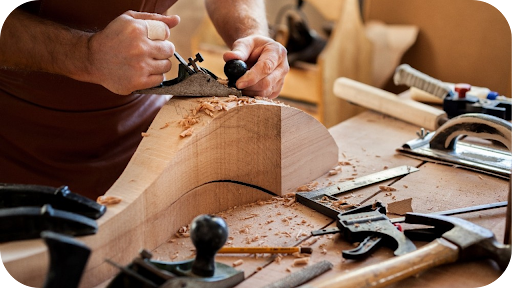
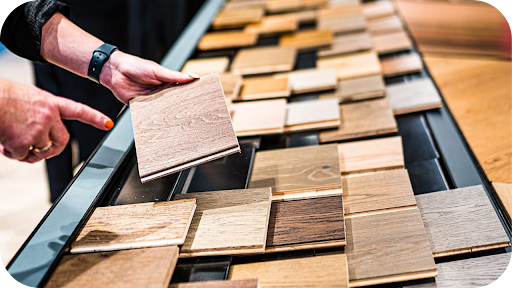
Timber has long been the gold standard in joinery, prized for its natural strength, warmth, and timeless appeal. Each piece carries a unique grain pattern that adds authenticity and depth to any design.
Whether used for cabinetry, doors, or wall panelling, timber offers exceptional durability and can be refinished multiple times, extending its lifespan for decades.
Hardwoods such as oak, ash, and walnut deliver premium performance and a luxurious finish, while softwoods like pine provide affordability without compromising charm. Beyond aesthetics, timber’s natural insulation properties make it both practical and energy-efficient.
At ROMAAC Joinery, we carefully select sustainably sourced timber to ensure every piece combines beauty, structural integrity, and long-term reliability, making it perfect for homeowners seeking quality, sustainable joinery that blends craftsmanship with lasting elegance.
Understanding Plywood in Joinery
Plywood has become a favourite in modern joinery for its stability, affordability, and adaptability across designs. Made by layering thin sheets of wood veneer with grains running in alternating directions, plywood offers impressive strength and resistance to warping or cracking.
It’s lighter than solid timber yet strong enough for cabinetry, wardrobes, and wall panels, making it a versatile choice for both residential and commercial projects. The uniform surface allows for smooth finishes, laminates, or veneers that suit contemporary styles.
Plywood also supports sustainable building practices, as it uses less raw timber while maintaining durability.
At ROMAAC Joinery, we use high-quality, moisture-resistant plywood to deliver precision-crafted pieces that combine structural reliability with refined design, perfect for clients who value performance and polished aesthetics in every detail.
Key Differences Between Timber and Plywood
Timber and plywood each offer distinct advantages; understanding their differences helps you choose the right material for your project. Here are the key differences:
1. Structure and Composition
Timber is a single, solid piece of natural wood, giving it unique grain patterns and strength. Plywood, on the other hand, is engineered from multiple thin wood layers bonded together, making it more dimensionally stable.
While timber offers authenticity and organic beauty, plywood provides consistency and reduced risk of warping or splitting, especially in conditions of varying humidity or temperature. Each material serves a distinct purpose depending on the project requirements.
2. Durability and Longevity
Solid timber stands out for its incredible durability and ability to be sanded, refinished, or repaired over time. Plywood resists bending and cracking, maintaining its form even under pressure or in large installations.
However, when exposed to excess moisture, low-grade plywood may deteriorate more quickly than high-grade hardwood. Timber, with proper treatment, can last for decades, offering enduring value and a rich patina that improves with age.
3. Aesthetic and Design Appeal
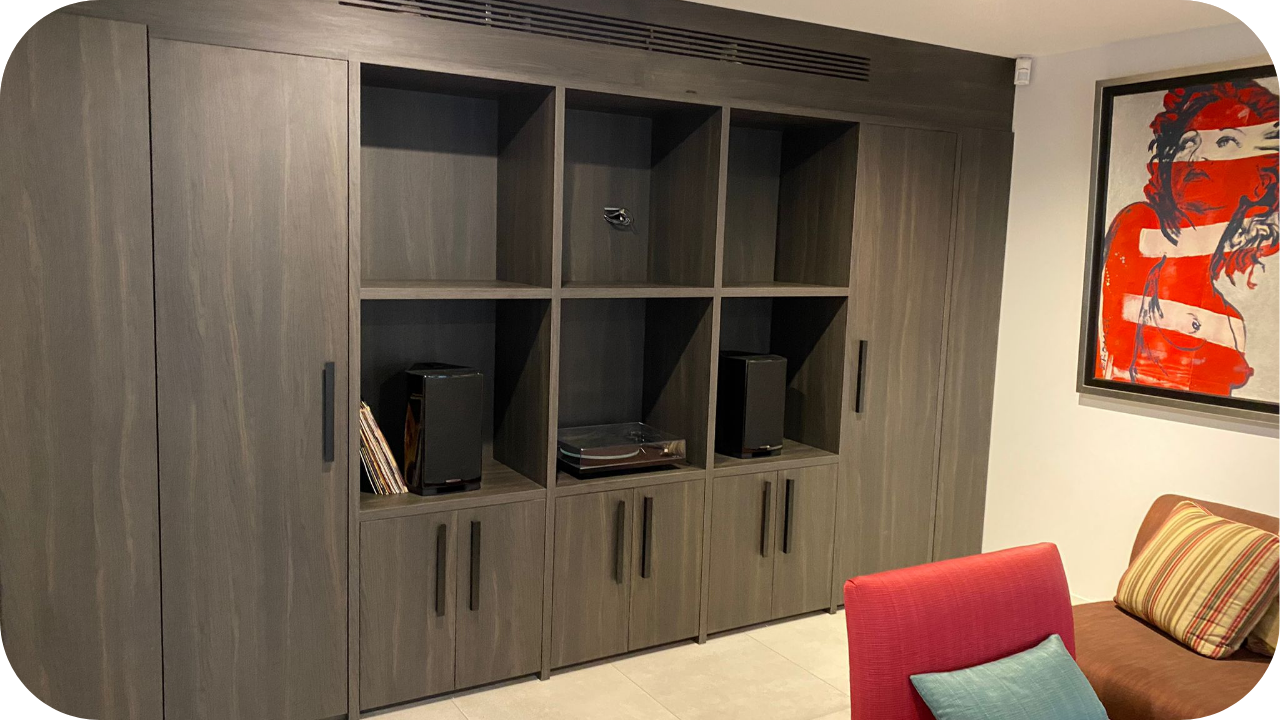
Timber brings warmth, depth, and natural variation, creating an authentic, luxurious feel that enhances interiors. Each board’s grain and tone tell a story, ideal for statement pieces or high-end cabinetry.
Plywood, in contrast, offers a smoother, more uniform surface that suits modern, minimalist, and contemporary designs. With veneer or laminate finishes, it can mimic solid wood while providing flexibility for large-scale or budget-conscious projects.
4. Cost and Practicality
Material mainly influences cost. Timber is typically more expensive due to its natural sourcing, finishing, and maintenance requirements. It’s an investment that delivers unmatched charm and strength but may not suit every budget.
Plywood offers a more cost-effective alternative, providing good performance and a sleek finish without the high price tag. Its ease of handling and installation also make it ideal for large projects or when time efficiency matters most.
5. Workability
Timber is easier to shape and carve for detailed joinery, offering greater flexibility in crafting bespoke designs. However, it requires precise handling to avoid splitting.
Plywood is less prone to splitting but can be challenging to cut cleanly, especially at the edges. It’s often used in larger panels where intricate detail is less important.
6. Sustainability and Environmental Impact
Sustainably sourced timber supports responsible forestry and carbon storage, contributing positively to the environment. Plywood production uses smaller wood sections and veneers, reducing waste and maximising the use of raw materials.
However, some lower-quality plywood may contain formaldehyde-based adhesives, which can affect eco-friendliness. At ROMAAC Joinery, we prioritise responsibly harvested timber and high-grade plywood from trusted suppliers to ensure every project aligns with sustainable building practices and environmental integrity.
Ideal Applications for Each Material
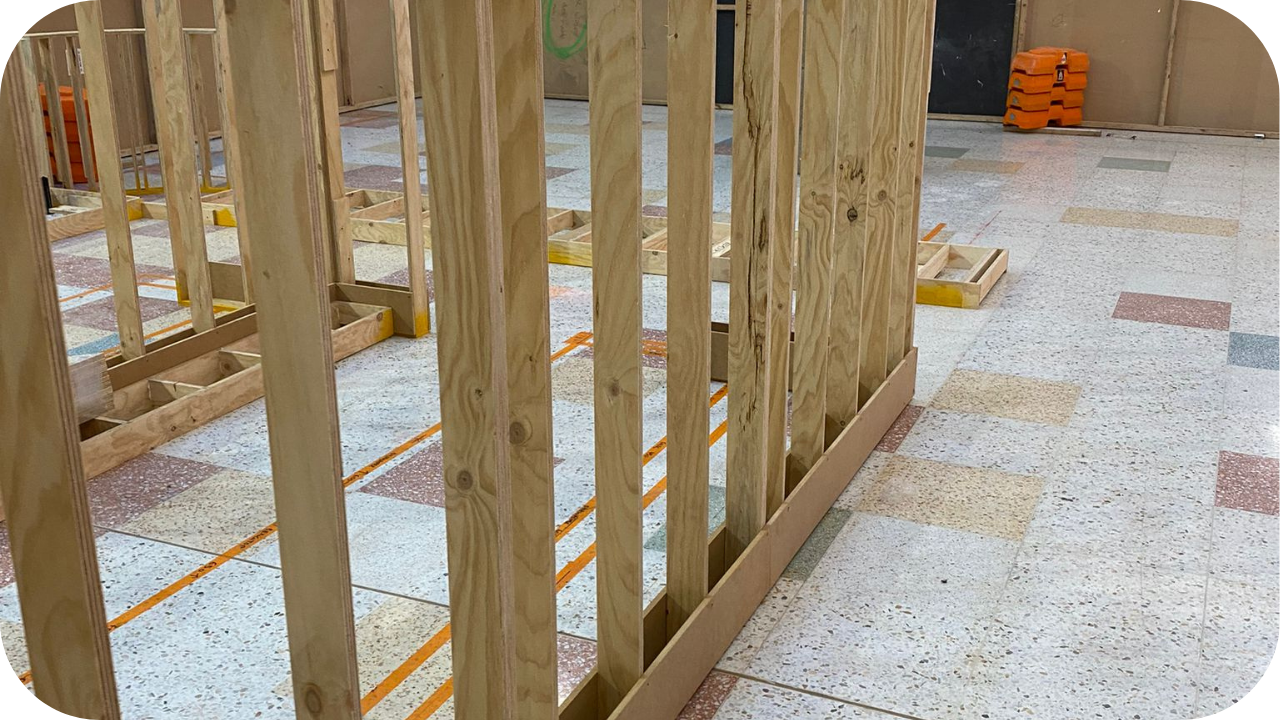
Understanding where timber and plywood shine ensures you select the right material for your project, enhancing both function and style.
1. Timber – For Timeless Luxury and Strength
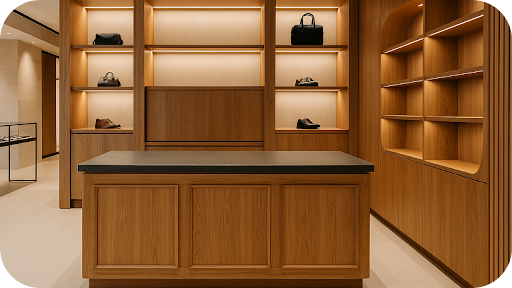
Timber is best suited for high-end joinery projects where aesthetics and durability are paramount. It’s ideal for statement kitchen cabinetry, custom furniture, staircases, and feature walls that demand a natural, elegant finish.
The rich grain and warm tones make timber perfect for creating classic or luxury interiors that stand the test of time. Its strength also ensures lasting performance in high-traffic areas such as living areas and entryways.
2. Plywood – For Modern Versatility and Efficiency
Plywood excels in projects where consistency, flexibility, and cost-efficiency matter. It’s commonly used in wardrobes, shelving, wall panels, and large cabinetry installations due to its lightweight strength and resistance to warping.
Designers often choose plywood for contemporary or minimalist spaces that prioritise smooth finishes and clean lines. Its adaptability and affordability make it a smart choice for both residential and commercial joinery applications.
3. Combining Timber and Plywood in Joinery
Many modern joinery projects combine the best of both materials to achieve a balance between aesthetics, strength, and cost.
For example, solid timber can be used for doors, drawer fronts, or shelving, while plywood is utilised for internal components like cabinet backs or drawer boxes.
This hybrid approach optimises both the visual appeal of timber and the cost-efficiency and structural stability of plywood, making it a popular choice for custom furniture and cabinetry.
Why Choose Romaac Joinery for Your Custom Project
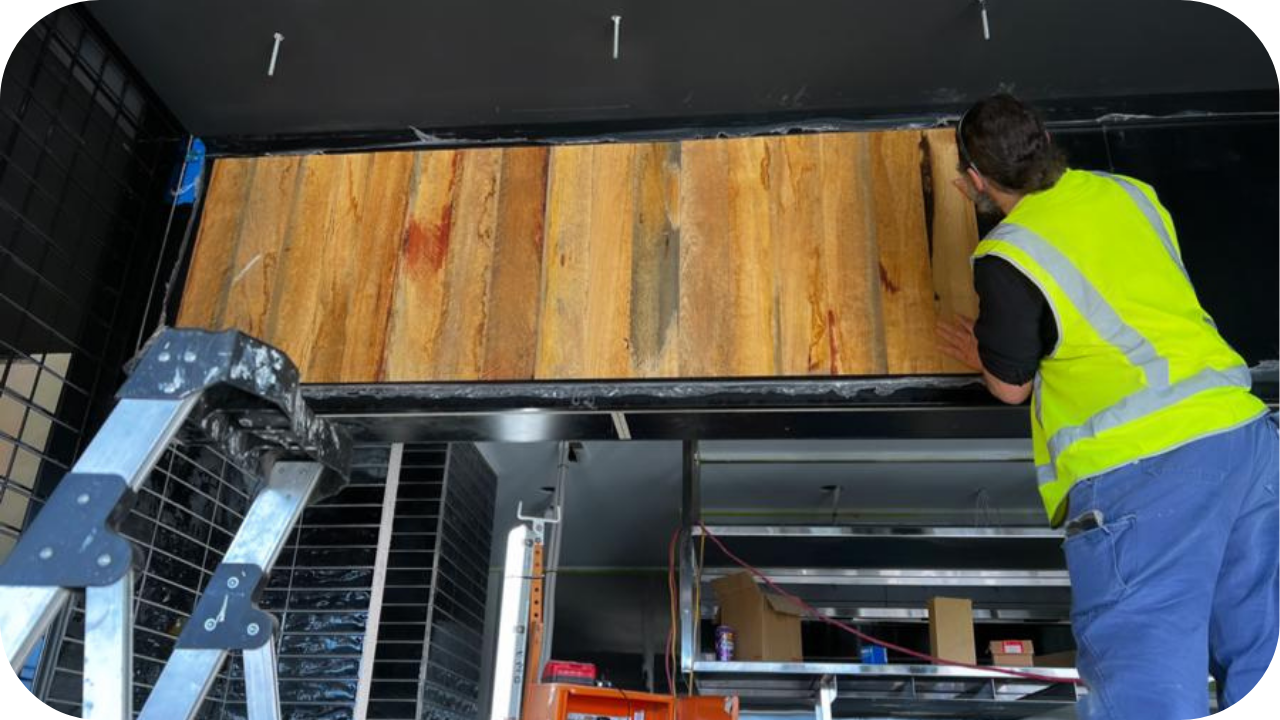
Choosing ROMAAC Joinery for your custom project means partnering with a team that values craftsmanship, precision, and design excellence. Every project begins with understanding your vision, ensuring the final result reflects your personality and complements your home’s architecture.
Our expert joiners combine years of experience with advanced technology to produce joinery that’s both functional and visually stunning. From bespoke kitchens and wardrobes to luxury feature walls, we deliver detail-driven results that stand the test of time.
We prioritise premium materials, sustainable sourcing, and flawless finishes that enhance durability and style. What sets ROMAAC apart is our commitment to collaboration, keeping you informed and involved from concept to installation.
Whether your project calls for timber joinery, modern plywood cabinetry, or intricate custom detailing, we create spaces that feel refined, cohesive, and truly yours. Choose ROMAAC Joinery for tailored craftsmanship that elevates every corner of your home with elegance and quality.
Choosing Quality That Lasts
Choosing between timber and plywood ultimately depends on your priorities. Timber brings timeless elegance and strength, while plywood offers versatility and modern appeal. Both materials can elevate your space when crafted with precision and care.
At ROMAAC Joinery, we blend craftsmanship with quality materials to create joinery that’s built to last and beautifully tailored to your lifestyle. Whether you’re planning a sleek kitchen, custom cabinetry, or luxury interiors, our expert team will guide you every step of the way.
Contact ROMAAC Joinery today to begin your bespoke project.
Easy steps to create a color palette
Lorem ipsum dolor sit amet, consectetur adipiscing elit lobortis arcu enim urna adipiscing praesent velit viverra sit semper lorem eu cursus vel hendrerit elementum morbi curabitur etiam nibh justo, lorem aliquet donec sed sit mi dignissim at ante massa mattis.
- Neque sodales ut etiam sit amet nisl purus non tellus orci ac auctor
- Adipiscing elit ut aliquam purus sit amet viverra suspendisse potent
- Mauris commodo quis imperdiet massa tincidunt nunc pulvinar
- Excepteur sint occaecat cupidatat non proident sunt in culpa qui officia
What is a color palette?
Vitae congue eu consequat ac felis placerat vestibulum lectus mauris ultrices cursus sit amet dictum sit amet justo donec enim diam porttitor lacus luctus accumsan tortor posuere praesent tristique magna sit amet purus gravida quis blandit turpis.

Don’t overspend on growth marketing without good retention rates
At risus viverra adipiscing at in tellus integer feugiat nisl pretium fusce id velit ut tortor sagittis orci a scelerisque purus semper eget at lectus urna duis convallis porta nibh venenatis cras sed felis eget neque laoreet suspendisse interdum consectetur libero id faucibus nisl donec pretium vulputate sapien nec sagittis aliquam nunc lobortis mattis aliquam faucibus purus in.
- Neque sodales ut etiam sit amet nisl purus non tellus orci ac auctor
- Adipiscing elit ut aliquam purus sit amet viverra suspendisse potenti
- Mauris commodo quis imperdiet massa tincidunt nunc pulvinar
- Adipiscing elit ut aliquam purus sit amet viverra suspendisse potenti
What’s the ideal customer retention rate?
Nisi quis eleifend quam adipiscing vitae aliquet bibendum enim facilisis gravida neque euismod in pellentesque massa placerat volutpat lacus laoreet non curabitur gravida odio aenean sed adipiscing diam donec adipiscing tristique risus amet est placerat in egestas erat.
“Lorem ipsum dolor sit amet consectetur adipiscing elit, sed do eiusmod tempor incididunt ut labore et dolore magna aliqua enim ad minim veniam.”
Next steps to increase your customer retention
Eget lorem dolor sed viverra ipsum nunc aliquet bibendum felis donec et odio pellentesque diam volutpat commodo sed egestas aliquam sem fringilla ut morbi tincidunt augue interdum velit euismod eu tincidunt tortor aliquam nulla facilisi aenean sed adipiscing diam donec adipiscing ut lectus arcu bibendum at varius vel pharetra nibh venenatis cras sed felis eget.