Choosing between veneer and solid timber has a major impact on how your joinery looks, performs, and lasts. Each material brings its own strengths, cost differences, and practical benefits that influence the overall outcome of your project.
Veneer offers strong stability, consistent grain, and budget-friendly flexibility, while solid timber provides natural character, texture, and long-term durability. Understanding these differences helps you make choices that support your style and everyday needs.
This article breaks down both options clearly so you can select the material that matches your style, budget, and long-term expectations with confidence.
What Is Timber Veneer?
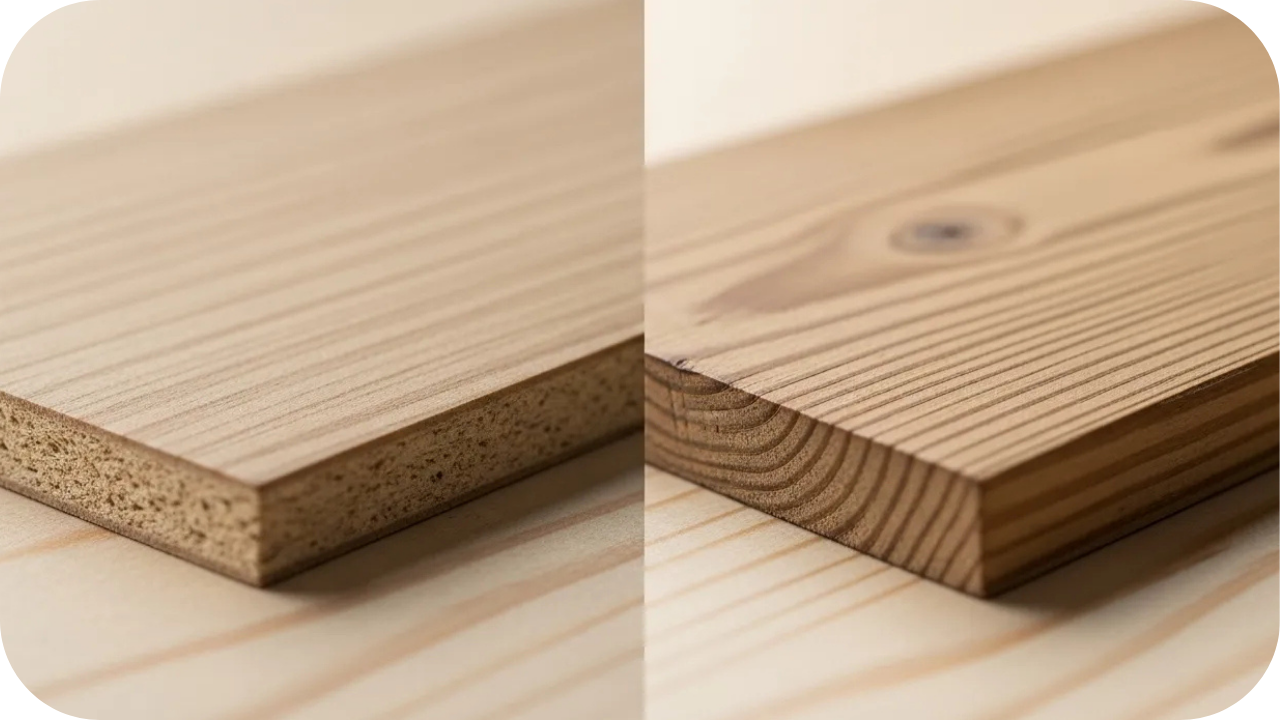
Timber veneer is made from thin slices of real timber bonded to a stable substrate such as MDF or plywood. This structure offers the natural appearance of solid wood with far greater resistance to movement caused by temperature or humidity changes.
Because veneer uses less raw timber, it provides a cost-effective way to achieve premium timber aesthetics across larger surfaces while maintaining impressive consistency, stability, and design flexibility.
What Is Solid Timber?
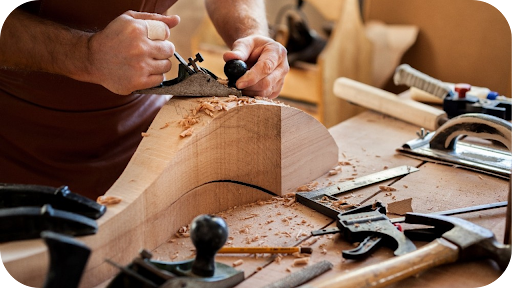
Solid timber is made entirely from natural wood, offering strength, authenticity, and a sense of craftsmanship that many homeowners value. Each board features unique grain patterns, natural colour variations, and the warmth of genuine timber.
Because it can be sanded, repaired, and refinished over time, solid timber provides exceptional longevity. Its durability and tactile qualities make it ideal for feature pieces, furniture, and high-wear joinery areas.
Key Factors to Consider When Choosing Between Veneer and Solid Timber
Choosing the right timber material comes down to understanding how each option performs, looks, and lasts in real homes. Here are the key factors that help guide the decision between veneer and solid timber.
1. Material Composition and Structure
Veneer is created by bonding thin timber slices onto a stable substrate, providing consistency and impressive flexibility. Solid timber is made entirely from natural wood, offering authentic grain, organic movement, and tactile richness. Each structure performs differently, making certain applications better suited to one material over the other.
2. Durability and Lifespan
Veneer resists warping and cracking because of its layered construction, maintaining a stable appearance over time. Solid timber lasts for decades with proper care and can be sanded repeatedly. Environmental conditions, moisture levels, and daily use all influence which material delivers the best long-term performance.
3. Aesthetic Qualities
Veneer provides consistent grain patterns ideal for large seamless panels, while solid timber showcases natural variation, texture, and character. Colour matching is easier with veneer, whereas solid timber offers depth and warmth. Your desired visual style often determines which material will create the right design impact.
4. Cost Differences
Veneer is generally more cost-effective due to efficient use of raw materials and simpler fabrication. Solid timber requires higher-grade boards and more labour, increasing overall cost. Both options can achieve premium aesthetics, but budget and long-term value preferences influence which material becomes the better choice.
5. Maintenance Requirements
Veneer offers low-maintenance appeal but has limited refinishing potential. Solid timber can be sanded and restored multiple times, extending its lifespan. Daily care, household traffic, and the likelihood of future refinishing all help determine which material best suits your lifestyle.
6. Environmental Impact
Veneer maximises timber efficiency by using thin slices, reducing waste and supporting sustainable resource use. Solid timber relies on responsibly harvested species and eco-certified suppliers. Both options can be environmentally conscious, but veneer generally achieves a stronger yield from each log, making it appealing for sustainability-focused projects.
7. Performance in Different Joinery Applications
Veneer excels in large panels, curved forms, and detailed cabinetry because of its flexibility and stability. Solid timber performs best in high wear areas and feature pieces where strength and natural expression are priorities. Matching each material to its ideal application ensures both longevity and visual harmony.
When Veneer Is the Better Choice
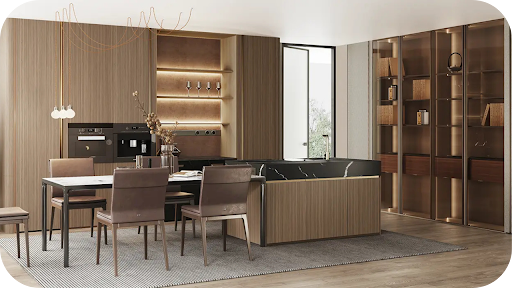
Veneer works beautifully in many modern joinery designs where consistency, stability, and clean styling are essential. Here are the situations where veneer is the stronger, more practical choice for your home.
1. Large Seamless Panel Designs
Veneer provides consistent grain patterns across large panels, creating a smooth, refined appearance. Its stability prevents movement, making it ideal for wall panels, wardrobe doors, and cabinetry that need uniform texture without visible joins or natural timber variation.
2. Budget Conscious Joinery with Premium Appearance
Veneer offers access to high-end timber species at a lower cost, making it easier to achieve a premium look. It uses less raw material, providing excellent value for full home fit outs and large custom projects.
3. Curved and Detailed Architectural Joinery
Veneer sheets bend smoothly and allow clean, consistent curves that solid timber cannot achieve easily. This flexibility supports detailed cabinetry, rounded edges, and contemporary architectural elements that rely on crisp shapes and precise panel work throughout the design.
4. Projects Requiring Lightweight Construction
Veneer over a stable substrate creates lighter panels compared to solid timber, making installation easier and safer. This reduced weight helps when working with large pieces, overhead cabinetry, or designs where structural load and handling must remain manageable.
5. Spaces Needing Colour and Grain Uniformity
Veneer is ideal when a project requires matching colours and grain across multiple surfaces. Its controlled appearance creates harmony in kitchens, wardrobes, and living spaces, ensuring a cohesive aesthetic that remains consistent throughout the entire home.
When Solid Timber Is the Better Choice
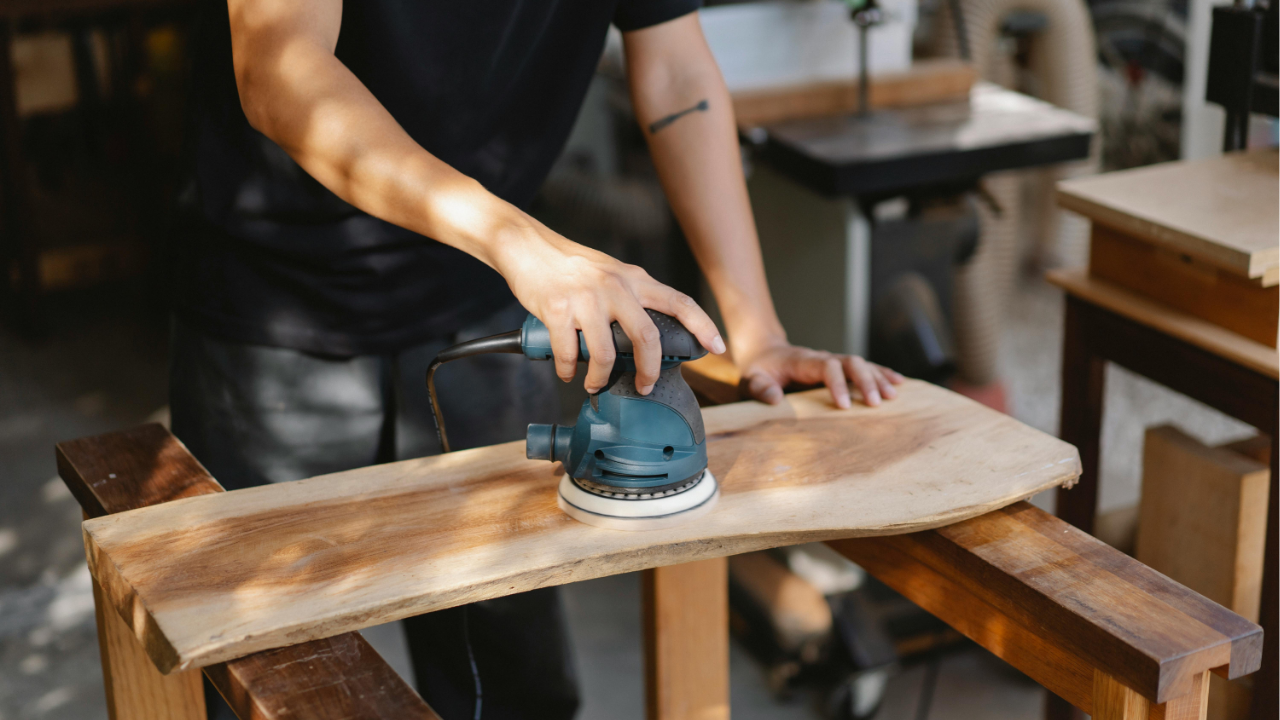
Solid timber shines in projects where natural beauty, strength, and long-term endurance matter most. Here are the situations where solid timber becomes the superior choice for high-quality, lasting joinery.
1. High Wear Joinery Areas
Solid timber handles heavy daily use exceptionally well because of its thickness and natural resilience. It withstands bumps, knocks, and long-term wear, making it ideal for kitchens, benches, table tops, and cabinetry exposed to frequent physical contact.
2. Spaces Requiring Natural Timber Expression
Solid timber offers unique grain movement, warm colour variation, and tactile richness that cannot be replicated. These natural characteristics add visual depth and personality, making it perfect for feature pieces where authentic timber expression is an important design element.
3. Long-Term Investment Pieces
Solid timber is well-suited to joinery expected to last for decades, thanks to its ability to be sanded, repaired, and refinished. This makes it a strong choice for heirloom furniture and statement architectural features.
4. Projects Demanding Structural Strength
Solid timber offers strong load-bearing capacity and inherent rigidity, making it useful for tabletops, shelves, and furniture that require dependable strength. Its natural density ensures stability and long-lasting performance in areas where reliable support is essential.
5. Joinery Requiring Deep Textural Finishes
Solid timber accepts carvings, routed details, and textured finishes beautifully, offering depth that veneers cannot replicate. This makes it ideal for crafted panels, feature doors, and bespoke furniture where intricate detailing enhances the visual and tactile quality.
How ROMAAC Joinery Evaluates the Right Material for Each Project
Choosing the ideal material starts with understanding how it needs to look, perform, and last in your home. Here are the key steps ROMAAC uses to guide every project confidently.
- Review of aesthetic goals and architectural style: The team examines the home’s overall design direction to ensure the selected material complements colours, textures, and detailing, creating a cohesive look throughout the space.
- Assessment of functional requirements and durability expectations: ROMAAC considers how heavily each area will be used, how well materials will perform long term, and which option handles daily wear most effectively.
- Discussion of budget and long-term value: Clients receive clear guidance on which material meets their budget while still delivering the style and durability they expect, ensuring a balanced and informed decision.
- Matching materials with finishes that complement the home’s design: The team pairs each material with suitable finishes and edge treatments to create a polished final result that aligns with the project’s aesthetic.
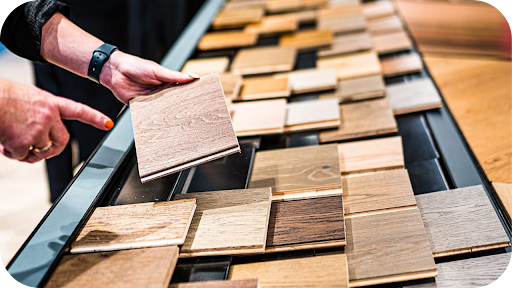
- Practical evaluation of site conditions and installation needs: Factors like panel size, access, humidity, and environmental conditions help determine whether veneer or solid timber will perform best in the intended space.
Choose the Material That Suits Your Project
Choosing between veneer and solid timber becomes much easier once you understand how each material performs, looks, and adapts to your home's needs. Both options offer genuine benefits depending on your style preferences and long-term expectations.
The best choice balances appearance, durability, maintenance, and budget. Considering how each material behaves in specific applications helps ensure your joinery remains functional, beautiful, and suited to your lifestyle.
If you’re ready to plan your project with expert guidance, contact ROMAAC Joinery today for tailored advice, precise material selection, and beautifully crafted outcomes for your home.
Easy steps to create a color palette
Lorem ipsum dolor sit amet, consectetur adipiscing elit lobortis arcu enim urna adipiscing praesent velit viverra sit semper lorem eu cursus vel hendrerit elementum morbi curabitur etiam nibh justo, lorem aliquet donec sed sit mi dignissim at ante massa mattis.
- Neque sodales ut etiam sit amet nisl purus non tellus orci ac auctor
- Adipiscing elit ut aliquam purus sit amet viverra suspendisse potent
- Mauris commodo quis imperdiet massa tincidunt nunc pulvinar
- Excepteur sint occaecat cupidatat non proident sunt in culpa qui officia
What is a color palette?
Vitae congue eu consequat ac felis placerat vestibulum lectus mauris ultrices cursus sit amet dictum sit amet justo donec enim diam porttitor lacus luctus accumsan tortor posuere praesent tristique magna sit amet purus gravida quis blandit turpis.

Don’t overspend on growth marketing without good retention rates
At risus viverra adipiscing at in tellus integer feugiat nisl pretium fusce id velit ut tortor sagittis orci a scelerisque purus semper eget at lectus urna duis convallis porta nibh venenatis cras sed felis eget neque laoreet suspendisse interdum consectetur libero id faucibus nisl donec pretium vulputate sapien nec sagittis aliquam nunc lobortis mattis aliquam faucibus purus in.
- Neque sodales ut etiam sit amet nisl purus non tellus orci ac auctor
- Adipiscing elit ut aliquam purus sit amet viverra suspendisse potenti
- Mauris commodo quis imperdiet massa tincidunt nunc pulvinar
- Adipiscing elit ut aliquam purus sit amet viverra suspendisse potenti
What’s the ideal customer retention rate?
Nisi quis eleifend quam adipiscing vitae aliquet bibendum enim facilisis gravida neque euismod in pellentesque massa placerat volutpat lacus laoreet non curabitur gravida odio aenean sed adipiscing diam donec adipiscing tristique risus amet est placerat in egestas erat.
“Lorem ipsum dolor sit amet consectetur adipiscing elit, sed do eiusmod tempor incididunt ut labore et dolore magna aliqua enim ad minim veniam.”
Next steps to increase your customer retention
Eget lorem dolor sed viverra ipsum nunc aliquet bibendum felis donec et odio pellentesque diam volutpat commodo sed egestas aliquam sem fringilla ut morbi tincidunt augue interdum velit euismod eu tincidunt tortor aliquam nulla facilisi aenean sed adipiscing diam donec adipiscing ut lectus arcu bibendum at varius vel pharetra nibh venenatis cras sed felis eget.